5 Knife Mistakes That Ruin Your Blade (And How to Avoid Them)
Most knives don’t wear out from normal use.
They get ruined by a handful of common mistakes.
We see it all the time—people bring in knives that should still be in great shape, but the edge is shot, the blade is damaged, or it just won’t perform like it used to.
The good news is most of this is completely avoidable.
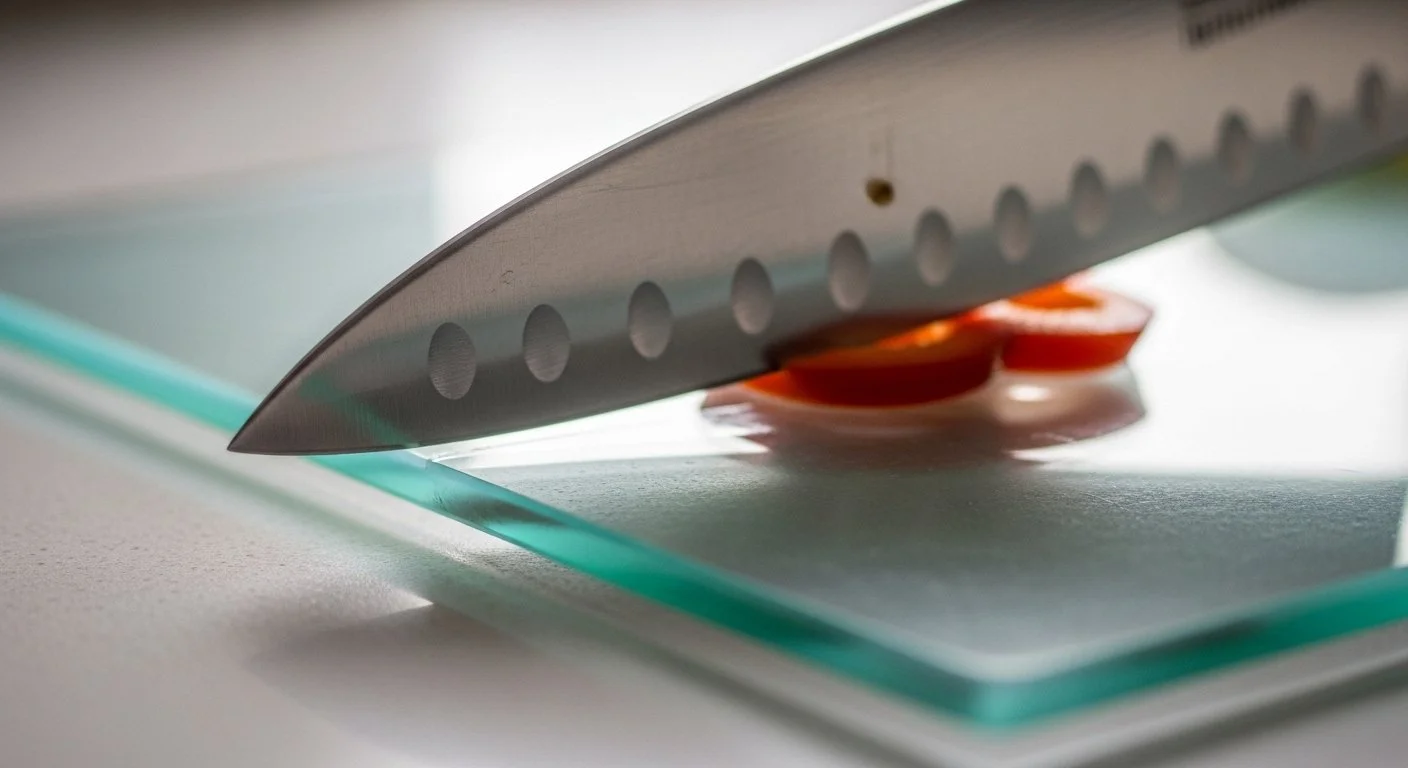
1. Using the Wrong Cutting Surface
This is one of the fastest ways to dull a knife.
Cutting on surfaces like:
Glass
Stone countertops
Ceramic plates
will destroy your edge quickly.
These materials are harder than the steel, which means your knife takes the damage every time you cut.
What to use instead:
Wood cutting boards
Rubber cutting boards
These are much easier on the edge and will keep your knife sharper longer.
2. Throwing Knives in the Sink
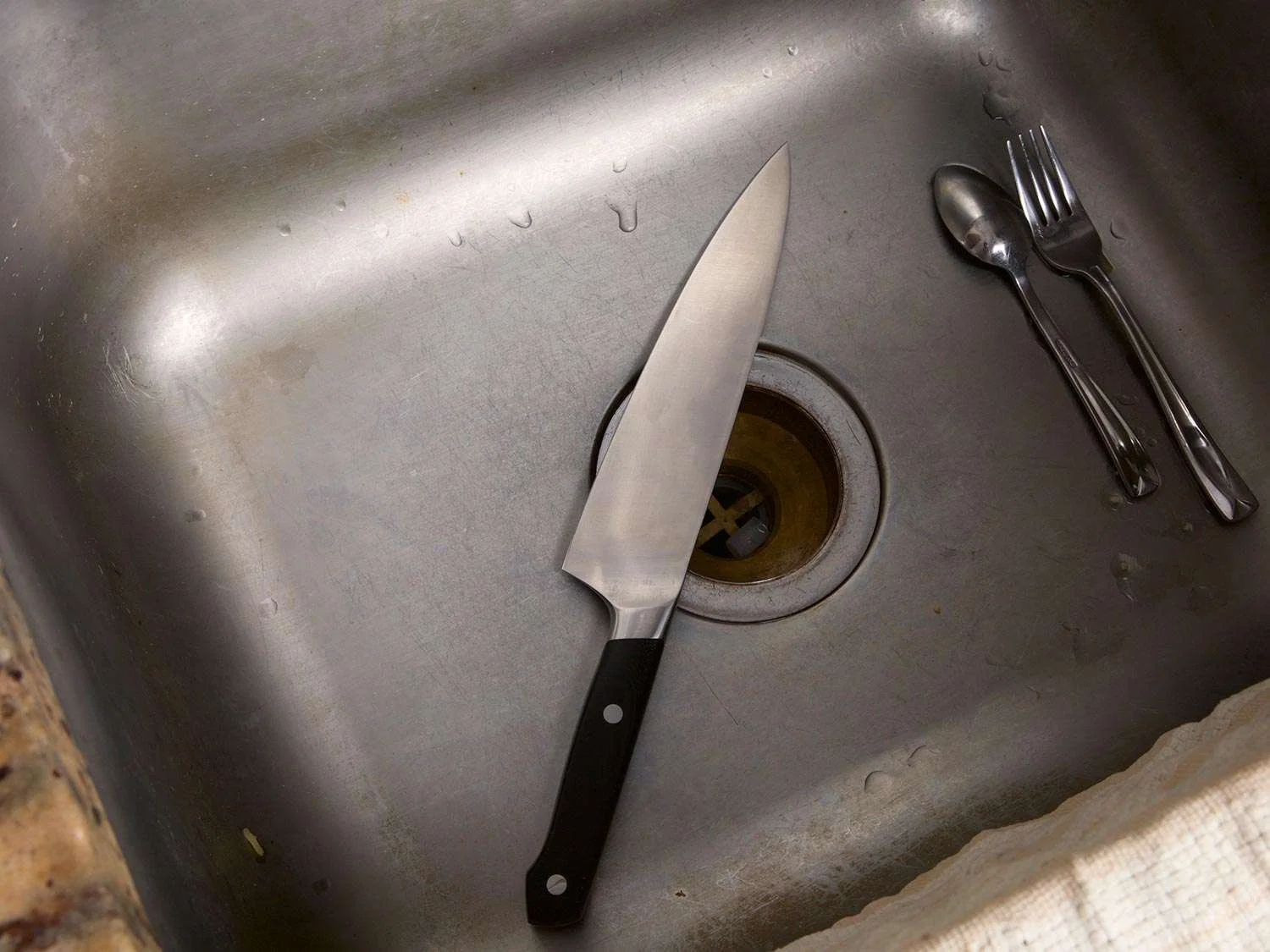
This one causes more problems than people expect.
When a knife is tossed into the sink:
The edge can hit other utensils
It can chip or roll
It becomes a safety hazard
It’s also one of the easiest ways to accidentally cut yourself.
Better habit:
Set the knife aside or wash it right after use.
3. Not Drying Your Knife
Water and steel don’t mix—especially with certain steels.
Leaving a knife wet can lead to:
Rust spots (especially on steels like D2)
Water staining
Long-term corrosion
Even stainless steels aren’t completely immune.
Simple fix:
Dry your knife after washing. It takes a few seconds and makes a big difference.
4. Using a Dull Knife
Most people don’t realize this is a problem.
A dull knife:
Requires more force
Slips more easily
Is actually more dangerous
It also leads to worse wear over time because you’re forcing the blade through cuts instead of letting it do the work.
Better approach:
Keep your knife maintained and sharpened before it gets too far gone.
5. Using Cheap Pull-Through Sharpeners
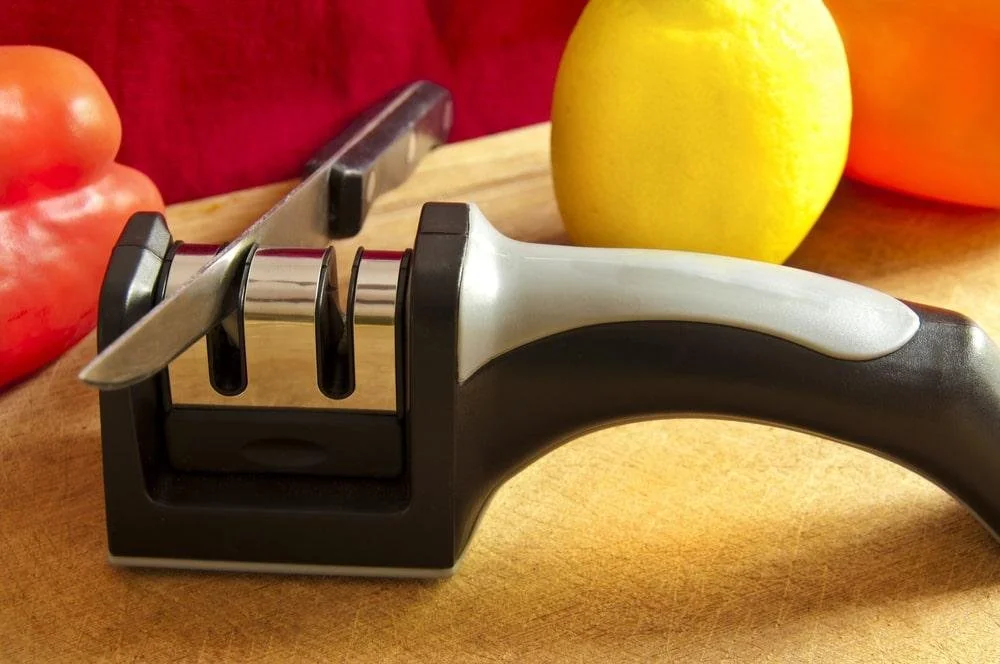
These are popular because they’re fast and easy.
The downside is they tend to:
Remove a lot of metal very aggressively
Leave a rough, uneven edge
Shorten the lifespan of the knife over time
They’re not the end of the world—but they’re not ideal if you want your knife to last.
Better options:
Guided sharpening systems
Belt sharpeners
Whetstones
Or professional sharpening
What We See in the Shop
A lot of the knives we sharpen aren’t worn out from use—they’re worn out from how they were treated.
The difference between a knife that lasts years and one that doesn’t usually comes down to a few simple habits.
Final Thoughts
Taking care of your knife doesn’t require anything complicated.
Avoid a few common mistakes, keep the edge maintained, and your knife will perform better - and last longer.
If you ever have questions about maintenance or want to get your knife sharpened properly, feel free to stop by Cartecay Cutlery or reach out through our website.
We’re always happy to help.
