How Often Should You Sharpen Your Knife? (And How to Tell It’s Time)
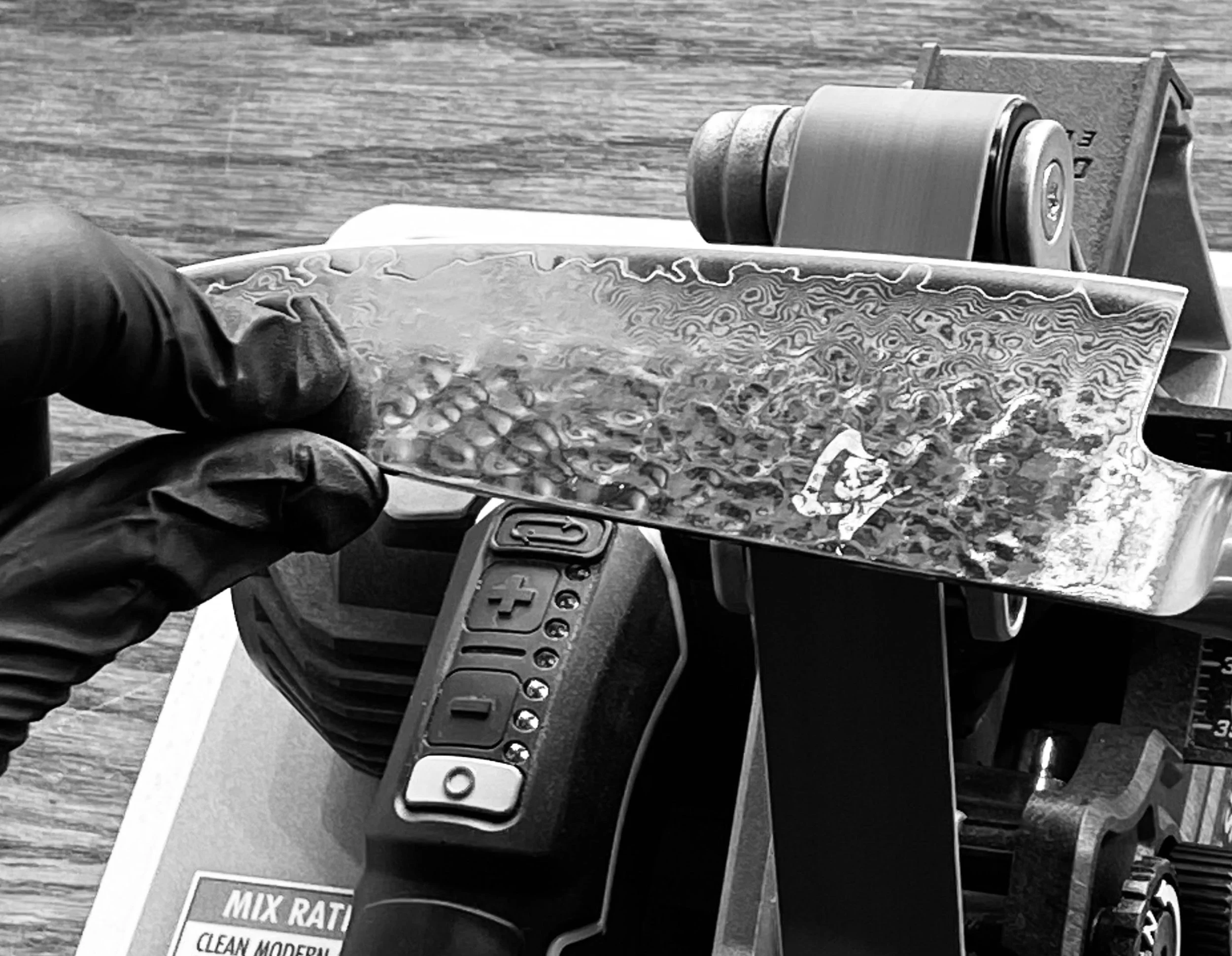
One of the most common questions we get in the shop is:
“How often should I sharpen my knife?”
The honest answer is:
Most people wait way too long.
By the time a knife feels dull, it’s usually been dull for a while.
Here’s how to actually tell when it’s time—and how often you should be sharpening.
The Short Answer
For most people:
Home kitchen use: every 2–4 months
Heavy use / daily cooking: every 3–6 weeks
Pocket knives (light use): every 2–3 months
Pocket knives (hard use): monthly or as needed
That said, frequency matters less than knowing the signs.
The 3 Signs Your Knife Needs Sharpening
1. It Slides Instead of Biting
A sharp knife should grab the surface slightly.
If it feels like it’s sliding across material instead of cutting into it, it’s time.
2. You Have to Use More Pressure
Knives should do the work for you.
If you find yourself pushing harder, that’s a dull edge.
And more importantly—it’s less safe.
3. It Struggles With Simple Cuts
Try this:
Tomato skin
Onion
Paper test
If it struggles with any of these, it’s due.
Honing vs Sharpening (Most People Confuse This)
These are not the same thing.
Honing (Rod)
Realigns the edge
Doesn’t remove much material
Helps extend time between sharpenings
Sharpening
Actually removes material
Recreates the edge
What you need when the knife is truly dull
Think of honing as maintenance, and sharpening as resetting the edge.
Why Waiting Too Long Is a Bad Idea
Most people wait until their knife is completely dull.
That causes:
More metal removal during sharpening
Shorter overall blade life
Worse performance in the meantime
Regular maintenance keeps the knife performing better for longer.
Different Steels, Different Timing
Not all knives dull at the same rate.
From what we see in the shop:
8Cr13MoV / 3Cr13MoV: dull faster, easier to sharpen
14C28N / VG-10: hold a good edge, balanced maintenance
S35VN / MagnaCut: hold an edge much longer, but take more time to sharpen
This is why two people can use knives daily and have completely different sharpening schedules.
What We See From Sharpening Every Day
One pattern is consistent:
People bring knives in far later than they should.
And almost everyone says the same thing:
“I didn’t realize how dull it had gotten.”
Once it’s sharpened properly, the difference is immediate.
Final Thoughts
If your knife doesn’t feel sharp, it probably isn’t.
You don’t need to sharpen constantly—but you also shouldn’t wait until it’s struggling to cut basic things.
A little maintenance goes a long way.
If You Don’t Want to Sharpen It Yourself
If you’d rather not deal with sharpening, that’s completely fine.
We offer sharpening services at Cartecay Cutlery and are always happy to help get your knives back to where they should be.
